Advertisement




Private equity has played a significant role in shaping Indi...
In today’s real estate landscape, fitness is often treated...
In this episode of Prop Personalities, we sit down with Hars...
Luxury real estate is one of the most talked-about segments ...
Welcome to Prop Personalities by Prop News Time - a podcast ...
The plan to transform Mumbai's western sea fronts at Aksa, Madh, and Marve into an entertainment hub faces major challenges despite Chief Minister Eknath Shinde's approval. Issues include land in Madh being designated for the Dharavi Redevelopment Project, opposition from real estate developers, slum rehabilitation concerns, and environmental objections over mangrove destruction. The Mumbai Metropolitan Region Development Authority (MMRDA) envisions a commercial district, amusement park, and housing, but local developers oppose it, fearing impacts on premium sea-view properties. Environmentalists warn that losing mangroves could increase flood risks. With regulatory approvals still pending, the project's future depends on balancing development with environmental and community concerns.
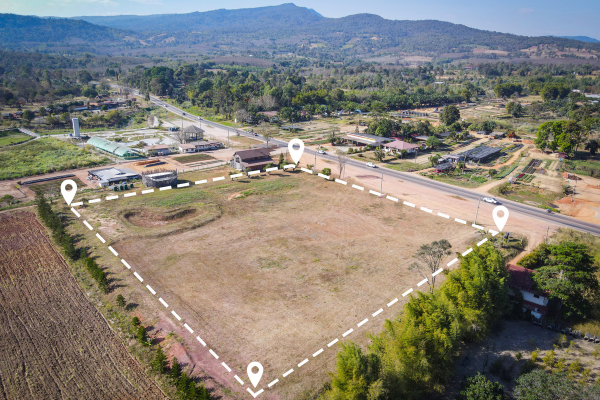
Despite receiving approval from Chief Minister Eknath Shinde, the ambitious plan to transform the western sea fronts at Aksa, Madh, Marve, and surrounding beaches into an entertainment hub has encountered significant challenges. The proposal is currently facing four major obstacles, the most recent being that land in Madh is designated for the Dharavi Redevelopment Project. Advertisement


The Mumbai Metropolitan Region Development Authority (MMRDA) proposed this plan as part of a broader effort to develop the western coast of Mumbai, encompassing areas such as Aksa, Erangal, Madh, Marve, Daravli, and Malvani, which cover a total of 1,387 hectares. However, the plan has met with opposition not only from local real estate developers but also from concerns regarding the rehabilitation of slum dwellers, alongside objections raised by environmentalists due to the presence of mangroves in these regions.
With assembly elections just a month away, the state cabinet has allocated 140 acres of land in Madh for the rehabilitation of Dharavi residents and the provision of rental housing, further limiting available land for the entertainment hub. A senior government official indicated that various real estate developers are taking advantage of the plots in the area and opposing the proposed plan.
An internal study reports that this initiative could generate revenue potential of INR 90,000 crore over the next 45-50 years through controlled sale of Floor Space Index (FSI). Sources indicate that CM Shinde and Deputy CM Devendra Fadnavis have shown support for the idea and provided in-principal approval during an MMRDA authority meeting. However, the file is still with the Urban Development Department, which must also grant clearance, and bureaucrats have confirmed that this permission has yet to be received.
The plan aims to convert the western coastal region into an entertainment hub, similar to Genting Highlands in Malaysia. It envisions an amusement park, a commercial business district on 168 hectares featuring IT parks, multinational corporations, studios, well-planned open spaces, and affordable housing. Additionally, it proposes ropeway connectivity to Metro Line 2A (DN Nagar-Dahisar) corridor.
Another suggestion is to rehabilitate encroachers and redevelop the area into a mini residential and commercial centre, akin to the new town development proposed near Navi Mumbai airport. However, sources indicate that the developer lobby is reportedly opposing this plan due to potential impacts on their financial interests. It has been noted that, having exhausted land availability in Mumbai, developers are now focusing on areas in Madh, Marve, and Aksa that provide unobstructed sea views, which can be marketed at premium prices.
We are firmly opposing this, as there seems to be a scheme to exploit these areas. Additionally, developing these regions would result in 15-20 lakh more people settling here, yet there is no existing civic infrastructure," stated Advocate Godfrey Pimenta, who has been opposing this plan since 2015.
It was during that year that the Development Plan for this region was first made public. At least 30% of the coastal areas in this belt are currently encroached upon, with hutments slowly encroaching upon the mangroves, according to environmentalists. They also express concern that the disappearance of these mangroves and mudflats could increase the risk of flooding in the area.
In conclusion, as the proposed entertainment hub grapples with opposition and regulatory challenges, the future of Mumbai's western sea fronts remains uncertain. The need for careful planning that balances development with environmental preservation and social responsibility is crucial. Without addressing these complexities, the ambitious vision may struggle to materialize, highlighting the intricate interplay of urban development and community needs.

5th Jun, 2025

25th May, 2023

11th May, 2023

27th Apr, 2023
Advertisement





 Facebook
 Whatsapp
