Advertisement










Private equity has played a significant role in shaping Indi...
In today’s real estate landscape, fitness is often treated...
In this episode of Prop Personalities, we sit down with Hars...
Luxury real estate is one of the most talked-about segments ...
Welcome to Prop Personalities by Prop News Time - a podcast ...
The Chennai Metro Rail Limited (CMRL) plans to develop commercial properties around phase-two metro stations at key locations, including Thirumangalam, Alandur, Vadapalani, KK Nagar, Mandaveli, Anna Nagar West, Thousand Lights, and Koyambedu. These developments aim to integrate the public transit with the commercial spaces, enabling the passengers to access the workplaces and the shopping complexes directly from the stations via walkways or subways. CMRL is seeking the state government funds and collaborating with agencies like MTC and CMDA. This initiative is part of a transit-oriented development strategy to boost non-fare revenue, which increased by 65% in 2022-2023, aiding financial sustainability.
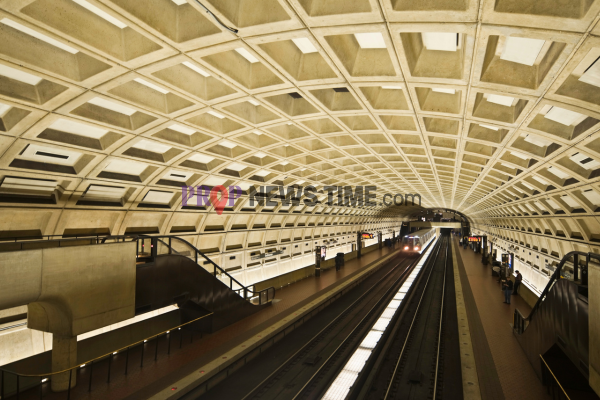
Chennai Metro Rail Limited (CMRL) is set to transform urban transit in the city with its ambitious plan to develop commercial properties around key phase-two metro stations. This initiative, targeting areas such as Thirumangalam, Alandur, Vadapalani, KK Nagar, Mandaveli, Anna Nagar West, Thousand Lights, and Koyambedu, aims to seamlessly integrate public transit with commercial hubs, creating a more connected and convenient urban experience. In the coming years, commuters may find themselves stepping off metro trains directly into workplaces, shopping complexes, or entertainment centres, eliminating the need to navigate crowded streets. CMRL's strategy is rooted in a transit-oriented development (TOD) model that seeks to combine transportation, commercial activities, and residential spaces into cohesive, accessible units. This approach is designed to maximise land use around metro stations and enhance the overall urban environment. Advertisement


The properties identified for this development include both CMRL-owned sites and those that will be developed in partnership with other agencies like the Metropolitan Transport Corporation (MTC). These developments will be connected to metro stations through exclusive walkways or pedestrian subways, ensuring smooth and safe transit between transportation hubs and commercial areas. One of the most notable projects is planned for Thirumangalam, where CMRL has acquired a 450-metre-long plot near the flyover. Here, a 12-storey building is envisioned, with metro trains passing through and stopping at the third floor, where the station will be located. This innovative design integrates the metro station within the commercial structure itself, offering unparalleled convenience for commuters.
Similarly, at Thousand Lights, CMRL has taken over an existing commercial complex on Anna Salai, which will be demolished to make way for a new development. This new structure will include an underground passage linking it directly to the upcoming phase-two metro station on Whites Road, enhancing connectivity in the bustling commercial district. In Alandur, the development will be adjacent to both phase-one and phase-two metro stations, further strengthening the transportation network. Additionally, MTC bus depots at Mandaveli and Anna Nagar West are slated for redevelopment, contributing to the broader goal of integrating different modes of public transit within the city.
CMRL is actively seeking funding from the state government to support these ambitious projects. The organisation's transit-oriented development plan underscores its commitment to creating vibrant, sustainable urban spaces that prioritise accessibility and convenience.According to the organisation's 2022-2023 annual report, non-fare box revenue has seen significant growth, increasing by 65% from the previous year. However, as former CMRL director R Ramanathan points out, revenue from ticket sales alone will not suffice to cover daily operational costs and loan repayments, even if trains consistently operate at full capacity. To bridge this gap, CMRL is focusing on developing and renting out properties around metro stations, leasing retail spaces within stations, and leveraging advertising opportunities. This diversified revenue model is essential for the organisation to achieve financial break-even and ensure the long-term viability of the metro system.
In conclusion, CMRL's plans for commercial development around phase-two metro stations represent a forward-thinking approach to urban planning. By integrating transit, commercial, and residential spaces, these projects aim to create more connected and liveable urban environments, while also securing the financial sustainability of the metro system.

5th Jun, 2025

25th May, 2023

11th May, 2023

27th Apr, 2023
Advertisement





 Facebook
 Whatsapp
