Advertisement






What really powers the cloud? Behind every Google search, A...
A lot of what defines a home isn’t visible at handover. I...
Private equity has played a significant role in shaping Indi...
Luxury real estate is one of the most talked-about segments ...
Airports play a much bigger role than just enabling travel -...
Dubai's property market, which experienced a remarkable 70% surge over the past four years, is now encountering significant challenges. Recent tariffs introduced by U.S. President Donald Trump have disrupted global markets, leading to a decline in oil prices below USD 65 per barrel. This downturn threatens the Gulf economies, potentially reducing job opportunities for expatriates who have been pivotal in driving Dubai's real estate demand. Additionally, the moderation in property price growth and the vulnerability of international investments to global asset fluctuations are contributing to the market's strain.
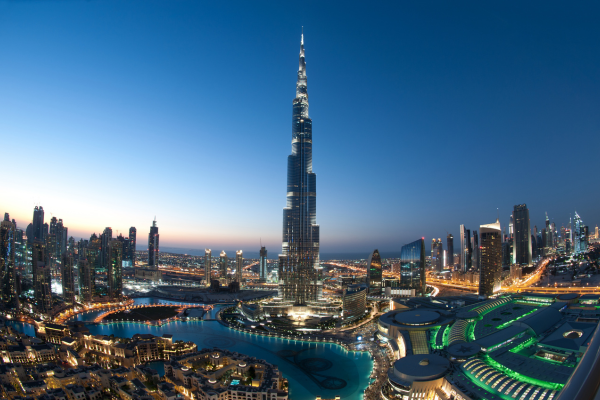
Over the past four years, Dubai's real estate sector has witnessed an impressive 70% increase in property prices, positioning it ahead of major global cities. However, this upward trajectory is now under pressure due to recent economic developments. Advertisement






The introduction of new tariffs by U.S. President Donald Trump has unsettled global markets, causing oil prices to drop below USD 65 per barrel. This decline poses a threat to oil-dependent Gulf economies, including Dubai, by potentially reducing government revenues and slowing economic growth. Such a scenario could lead to fewer job opportunities for expatriates, who have been instrumental in sustaining the city's property demand.
Property prices in Dubai had already begun to show signs of moderation, with a 16% rise last year compared to a 20% increase the previous year. Analysts suggest that the combination of a regional economic slowdown and the global impact of the tariffs could further dampen the real estate market. Taimur Khan, head of research for the Middle East and Africa at JLL, indicated that international investors facing uncertainties in their home markets might reconsider their investments in Dubai.
Historically, Dubai's property market has been closely linked to oil prices. Between 2014 and 2020, average home prices in the city fell by approximately 33% following a collapse in oil prices. The current situation, with oil prices hovering around USD 60 per barrel, raises concerns about reduced government spending and its subsequent impact on economic activity and employment.
Goldman Sachs Group Inc. has projected that neighboring Saudi Arabia could experience a budget deficit of USD 67 billion this year, highlighting the broader regional economic challenges. As Dubai navigates these uncertainties, the resilience of its property market will be tested in the coming months.
While the city's strategic initiatives and infrastructural advancements have historically attracted global investors, the current global economic climate necessitates a reassessment of strategies to sustain growth. Stakeholders must now navigate these challenges with adaptability and foresight to ensure the continued vitality of Dubai's property sector.
Advertisement













 Facebook
 Whatsapp
