Advertisement






What really powers the cloud? Behind every Google search, A...
A lot of what defines a home isn’t visible at handover. I...
Private equity has played a significant role in shaping Indi...
Luxury real estate is one of the most talked-about segments ...
Airports play a much bigger role than just enabling travel -...
The National Company Law Tribunal (NCLT), Mumbai Bench, has admitted a corporate insolvency resolution process (CIRP) petition filed by Indiacrete Ready Mix Pvt. Ltd. against Theme Developers Pvt. Ltd. under the Insolvency and Bankruptcy Code (IBC). In its order, the tribunal approved commencement of CIRP against the developer and appointed an Interim Resolution Professional (IRP) to oversee the insolvency proceedings. The tribunal also imposed a moratorium on legal proceedings and directed public announcement of the insolvency process in accordance with IBC provisions. According to the order, the operational creditor was instructed to deposit INR 3 lakh towards initial CIRP-related expenses, including issuance of public notices and claim invitation procedures.
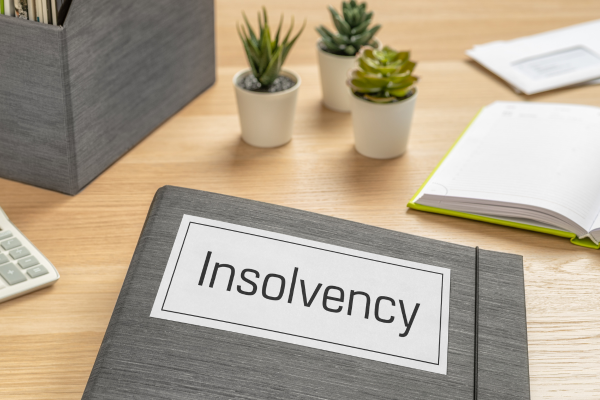
The National Company Law Tribunal (NCLT), Mumbai Bench, has admitted a corporate insolvency resolution process (CIRP) petition filed by Indiacrete Ready Mix Pvt. Ltd. against Theme Developers Pvt. Ltd. under provisions of the Insolvency and Bankruptcy Code (IBC), initiating formal insolvency proceedings against the real estate company. Advertisement






According to the tribunal order, the petition filed by the operational creditor was admitted under Section 9 of the IBC after the bench was satisfied regarding the existence of operational debt and default. The order was passed by the Mumbai Bench comprising Judicial Member Nilesh Sharma and Technical Member Sameer Kakar.
With admission of the insolvency application, the tribunal directed commencement of the Corporate Insolvency Resolution Process against Theme Developers with immediate effect. The NCLT also imposed a moratorium under Section 14 of the IBC, restricting institution or continuation of suits, transfer of assets and recovery proceedings against the corporate debtor during the CIRP period.
The tribunal appointed an Interim Resolution Professional (IRP) to oversee the insolvency process and manage affairs of the corporate debtor during the resolution period. The IRP has been directed to carry out statutory responsibilities including public announcement of the CIRP, invitation of claims from creditors and constitution of the Committee of Creditors (CoC) in accordance with IBC regulations.
According to the order, the operational creditor has been directed to deposit an advance amount of INR 3 lakh within seven days to meet expenses arising from the CIRP process, including issuance of public notices and claim-related procedures until the Committee of Creditors determines the professional’s fees and related costs.
The tribunal also directed the Registrar of Companies to update the master data of Theme Developers on the Ministry of Corporate Affairs portal to reflect admission of the insolvency proceedings. The registry was instructed to communicate the order to the operational creditor, corporate debtor, IRP and Registrar of Companies following completion of procedural formalities.
The order stated that commencement of the CIRP would be effective from the date of pronouncement. Under the IBC framework, the CIRP process is intended to facilitate resolution of financial distress through creditor-driven restructuring, settlement or resolution planning within prescribed timelines.
The case assumes significance within Mumbai’s real estate sector amid continued financial stress and liquidity challenges faced by several mid-sized developers and construction-linked entities. Insolvency proceedings involving developers and contractors have increased in recent years because of delayed project execution, funding constraints and payment disputes across the construction and real estate ecosystem.

5th Jun, 2025

25th May, 2023

11th May, 2023

27th Apr, 2023
Advertisement









 Facebook
 Whatsapp
